
Standing water after a storm might seem like a minor inconvenience, but recurring drainage problems can quickly damage your lawn, landscaping, hardscapes, and even areas around your home's foundation.
In the St. Louis area, heavy rainfall, clay-heavy soils, changing grades, and concentrated runoff from roofs can make proper drainage especially important.
At Greenscape Outdoors, we help homeowners identify where water is coming from, determine where it needs to go, and install drainage solutions designed specifically for the property.
Here are five signs that it may be time to take a closer look at your yard's drainage.
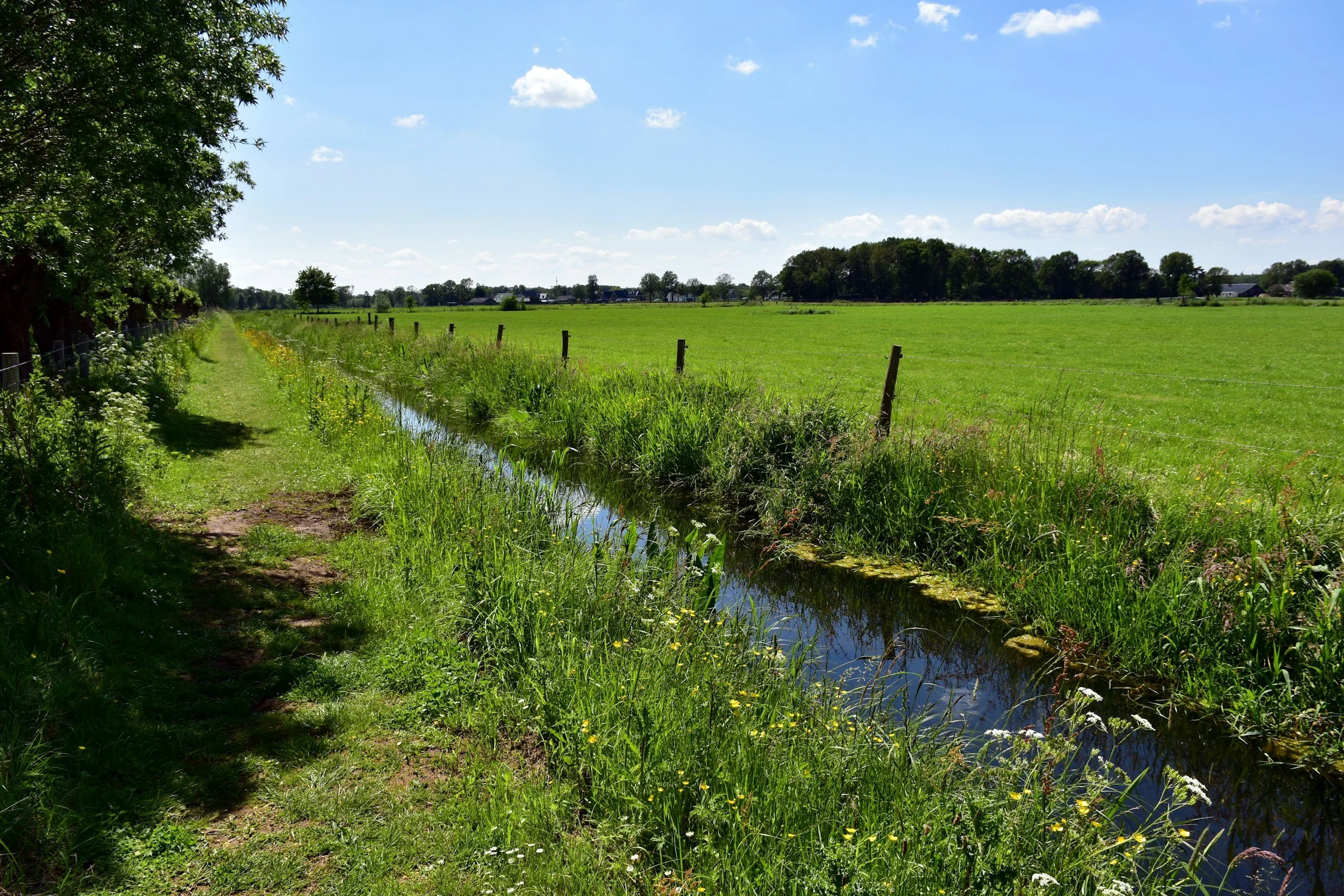
Water Drainage Swale
1. Standing Water After It Rains
A little water immediately following a storm isn't unusual. But if large areas of your lawn remain saturated or hold water long after the rain has stopped, you may have a drainage issue.
Low areas in the yard, compacted soil, poor grading, or runoff from neighboring areas can all contribute to standing water.
Depending on the property, solutions may include:
French drains
Catch basins
Regrading
Dry creek beds
Underground discharge lines
The right solution depends on where the water is coming from and where it can safely be redirected.
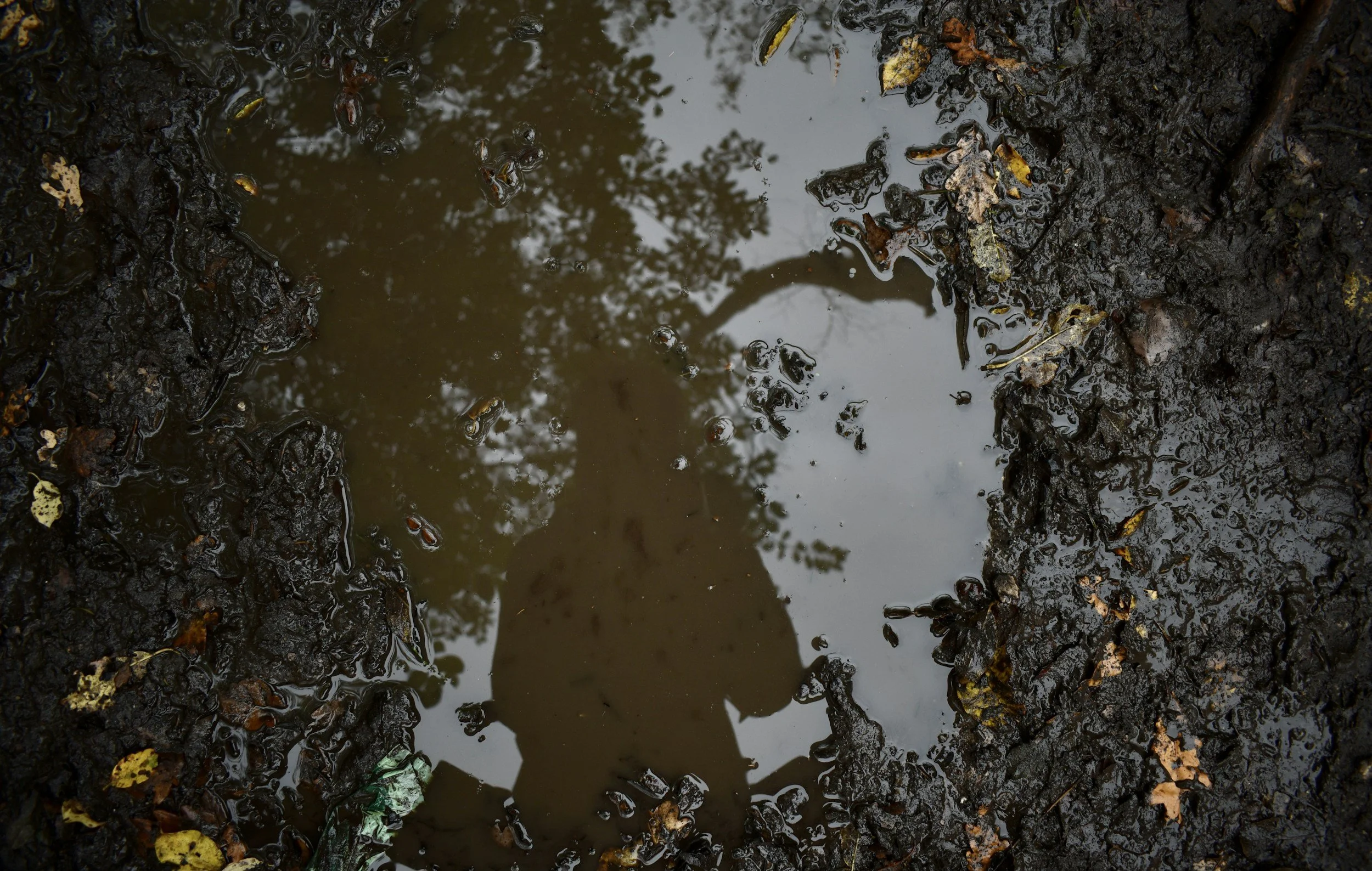
Standing Water
2. Your Yard Is Constantly Muddy or Soggy
If you avoid certain parts of your yard because they're always muddy, the soil may simply have nowhere to release excess water.
This is especially common in low areas or properties with heavy soils.
A properly installed French drain can help collect water moving through saturated soil and carry it toward a more suitable discharge location.
For areas collecting primarily surface water, a catch basin or grading correction may make more sense.
That's why we don't approach every drainage project with the same solution.
3. Water Collects Around Your Foundation
Your gutters can move an incredible amount of water during a Missouri storm.
The problem is what happens when that water reaches the bottom of the downspout.
If your downspouts terminate directly beside the house, water can continually saturate the soil around your foundation.
One of the simplest improvements we make is connecting gutter downspouts to underground solid drainage pipe and carrying that water farther away from the home.
The discharge can then be directed toward an appropriate location using daylight outlets, pop-up emitters, or another properly designed drainage system.
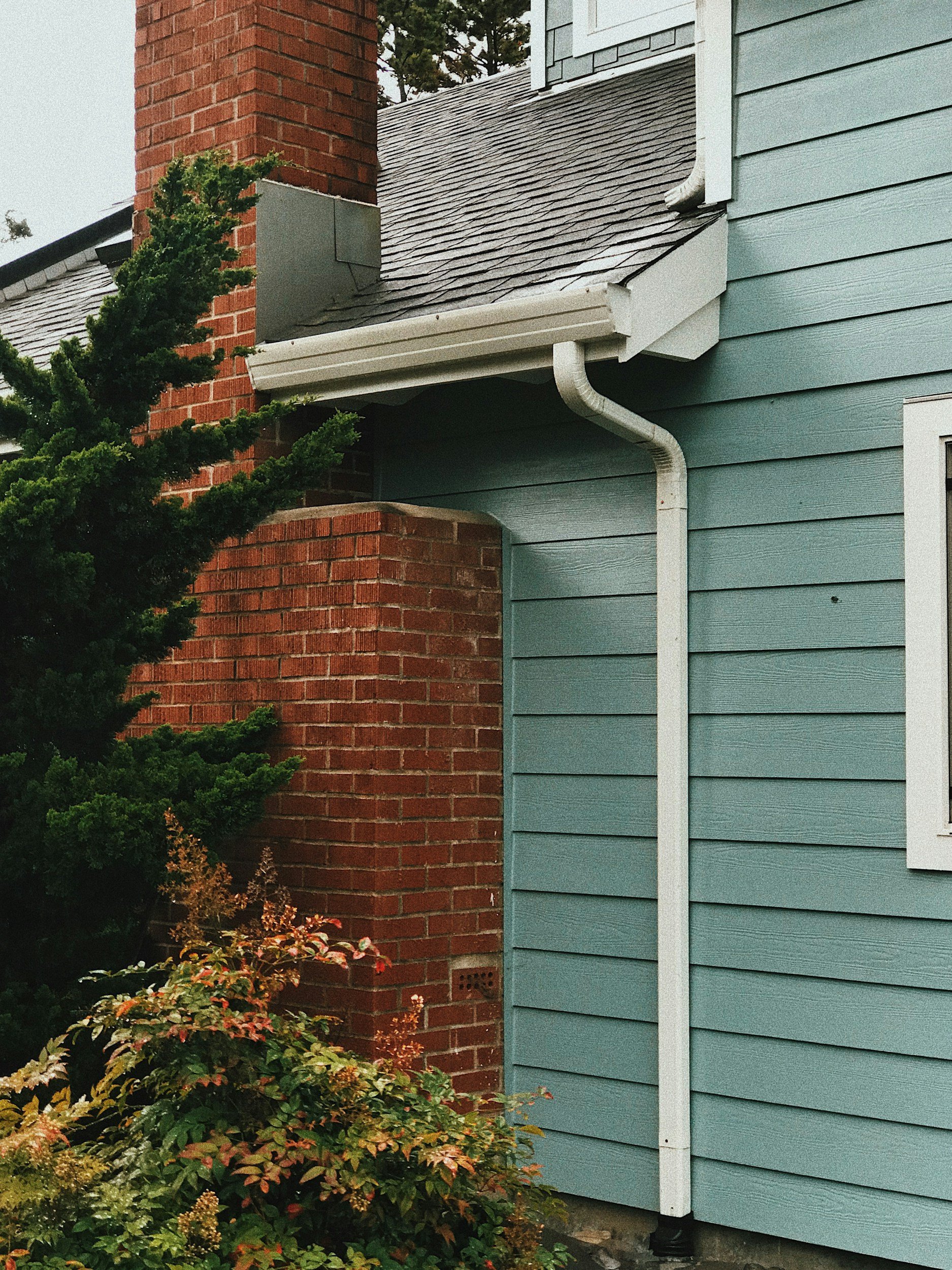
Underground Gutter Extension to Move Water Away From Foundation
4. Mulch, Soil or Grass Washes Away
Drainage problems aren't always caused by water sitting still.
Sometimes the bigger problem is water moving too quickly.
If you notice:
Mulch washing out of landscape beds
Exposed soil after storms
Channels developing through your lawn
Gravel repeatedly moving downhill
Soil collecting at the bottom of a slope
you may be dealing with excessive surface runoff and erosion.
In these situations, a dry creek bed can be both functional and attractive.
Instead of allowing runoff to create its own path through the landscape, a properly designed dry creek creates an intentional route for the water while becoming part of the landscape design.
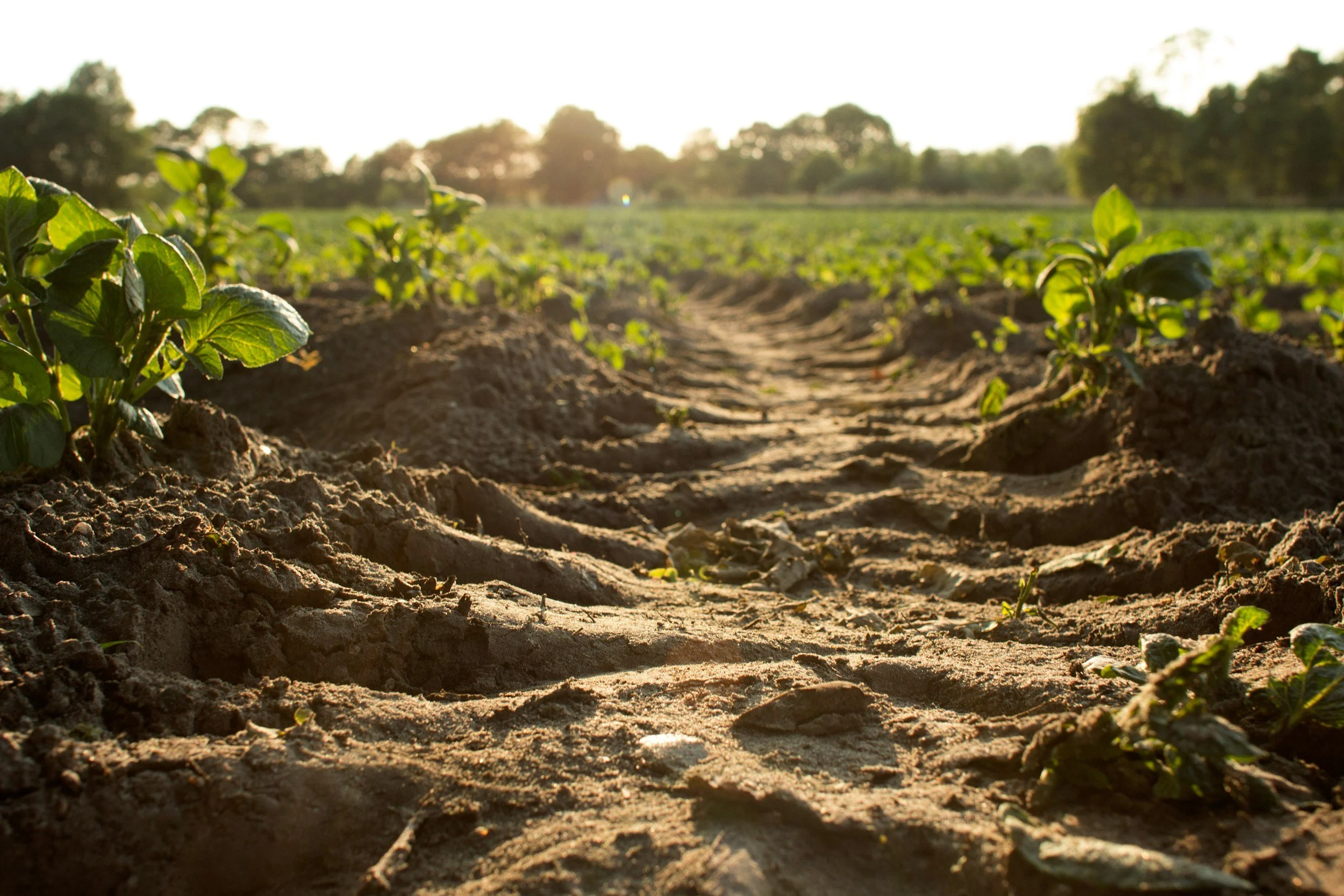
Exposed Soil in Farm Plot that erodes Away During Heavy Storms
5. Water Is Damaging Your Patio or Retaining Wall
Drainage is one of the most important parts of any hardscape installation.
Water collecting behind a retaining wall can create significant pressure, while water moving underneath patios and walkways can contribute to settling, erosion and movement over time.
A properly built retaining wall should include drainage provisions behind the wall so water isn't trapped.
Likewise, drainage around patios and walkways should be considered before the hardscape is installed — not after problems begin.
If an existing hardscape is experiencing repeated washout, settling or water accumulation, the drainage around it should be evaluated before simply repairing the visible damage.
What Type of Drainage System Do You Need?
There isn't one drainage system that's right for every yard.
At Greenscape Outdoors, some of the systems we commonly use include:
French Drains
Designed to collect subsurface water from saturated areas and redirect it through perforated drainage pipe.
Underground Gutter Extensions
Carry concentrated roof runoff away from your house through underground solid pipe.
Catch Basins
Collect surface water in low areas and connect it to an underground discharge system.
Dry Creek Beds
Provide a controlled route for surface runoff while creating an attractive landscape feature.
Grading
Sometimes the best solution is changing the elevation of the soil so water naturally flows away from structures and problem areas.
Retaining Wall Drainage
Drainage installed behind retaining walls helps prevent water from accumulating behind the wall.
In many cases, the best drainage system uses several of these methods together.